Build custom software and AI-powered products designed around your business goals, workflows, and growth plans. From strategy to deployment, we engineer scalable solutions that deliver measurable business impact.


Get vetted engineers, AI specialists, Full-Stack Developers, DevOps experts, and UI/UX designers with 6+ years of average experience. They join your stand-ups, work in your tools, and scale up or down as your roadmap changes.


Engineering the Capabilities Modern Businesses Need to Lead
AI Engineering
Operationalize AI across your business to improve decision-making, increase workforce productivity, and unlock new business value securely and at scale.
- AI Agent Development
- Generative AI Development
- LLM & RAG Development
- Predictive Analytics
Digital Twin Engineering
Gain real-time visual operational intelligence to optimize assets, anticipate disruptions, and make high-impact decisions before risks become costly.
- Industrial Digital Twins
- IoT & Sensor Integration
- Simulation with 3D Visualization
- Asset Intelligence & Predictive Maintenance
Healthcare IT Services & Solutions
Build connected healthcare ecosystems that improve care delivery, simplify clinical operations, and strengthen compliance in an evolving regulatory landscape.
- EHR/EMR Integration
- AI Clinical Documentation
- HL7 & FHIR Integration
- HIPAA-Compliant Development
- Medical Billing & RCM
Results We're Accountable for. Work You Can Verify.
Accelerated Wind Farm Planning By 35% Through Digital Twin Solutions
We built a high-fidelity wind farm digital twin that enabled renewable energy planners to simulate turbine layouts, improve energy forecasting, validate feasibility, and estimate ROI before capital investment decisions.

Built ClaimClarity - an AI-Powered Workers’ Compensation Claim Settlement Platform
We designed and developed an intelligent claim settlement platform named ClaimClarity using advanced NLP to automate medical claim processing for a US workers’ compensation leader 20% faster.

Built OraQ AI - A FDA-Cleared Clinical Decision Support Platform Transforming Dental Care Delivery
MindInventory built OraQ AI's clinical decision support platform, a system that standardizes patient risk assessment from intake through treatment planning.

Helped Passio.AI Make Diet Management Easy By Building Nutrition AI That Recognizes 2.5M+ Food Items
By collaborating with SRI-backed project named Passio.AI, we built Nutrition AI with visual food database that can log users' daily nutrition intake by scanning portion size and barcode of food packets with 97% accuracy.

Engineering Future-Ready Solutions Across Every Global Industry


“Don't wait for the opportunity, create one.”



Why Choose MindInventory as Your Software Engineering Partner?


 ISO 9001:2015
ISO 27001:2022
 SOC 2 Type II
 HIPAA Compliance

Who We Work Best With
- Startups, Mid-Sized Businesses & Enterprises
- High-growth SaaS companies
- ISVs
- Healthcare providers
- Manufacturing companies
- Digital Twin platforms
Our Engagement Models

High-Impact Services to Scale Your Operations
AI Agent Development
Generative AI Development
ML Development
Product Design & UX
MVP Development
Mobile App Development
Software Development
Cloud Engineering
Data Engineering
Ready to Turn Your Idea into a Scalable Solution?

Engineering AI Systems That Power Modern Businesses
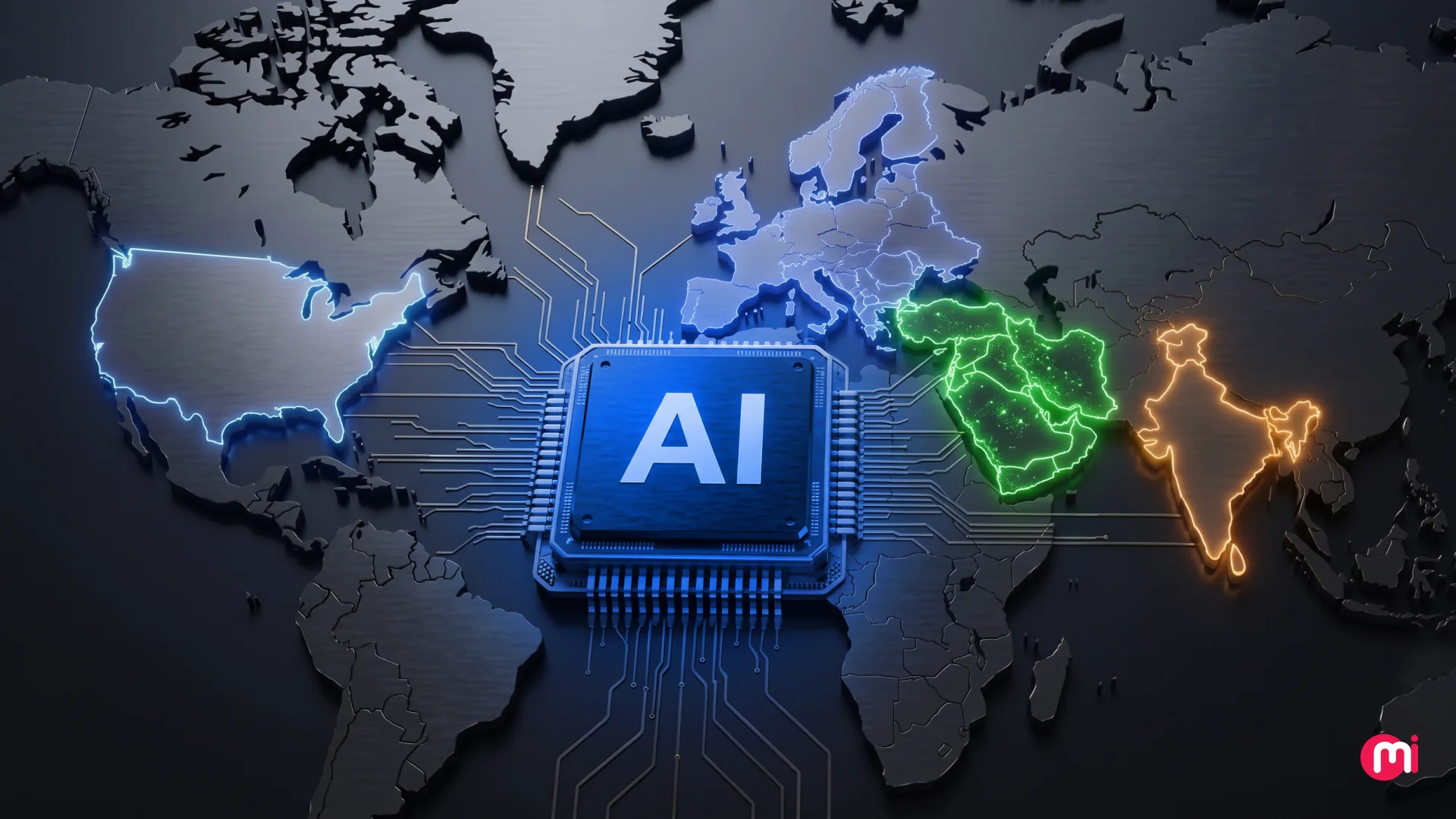
MindAI, as our strategic AI division, help businesses align AI with strategic priorities, modernize critical operations, and build intelligent systems that continuously create efficiency, resilience, and measurable business value as your organization grows.
Strategy & Advisory
- AI Consulting
- AI Strategy
- AI Readiness
- AI Roadmap
AI Engineering
- ML Development
- GenAI Development
- LLM Development
- RAG Development
- AI Integration
AI Solutions
- AI Agent Development
- Agentic AI Development
- AI Chatbot Development
- Predictive Analytics
Data Intelligence
- Data Engineering
- Data Science
- Business Intelligence
What Our Clients Have to Say About MindInventory

MindInventory's developers are the best
Our business scaled faster with quicker onboarding and installation processes enabled by MindInventory. Their team demonstrated excellent project management skills, and we were particularly impressed with their developers. Communication was smooth and efficient through virtual meetings.

CEO, Navatech Group Limited
We were impressed with their excellent project delivery.
The project was delivered on schedule, with additional resources provided at no extra cost. MindInventory ensured strong customer success follow-ups and maintained effective communication throughout. Their dedication and client-focused approach truly set them apart.

Strong Collaboration on a Full Trading App
I have had the pleasure of working with MindInventory for more than a year now on our biggest design challenges of creating a full trading app for both web and mobile. From the very start, the collaboration was smooth and effective. The team really understood our vision, and they quickly aligned with our high standards. Together, we designed a platform that feels intuitive, reliable, and engaging for our users. I highly recommend MindInventory to anyone looking for strong design.

Turning a Dream App into Reality with Creativity and Strong Project Planning
A dream was turned into reality with an app that makes it easy for managers and colleagues to share meaningful appreciation at work. The MindInventory team truly listened, understood the vision, and provided flexibility, creativity, and unbeatable project planning. Within months, the app came to life and is now being used and loved.

We’re delighted to have them as our partners because they’re phenomenal.
Cost-effective services from MindInventory made it easier to scale the business efficiently. The team maintains a timely and communicative process using tools like Jira and Slack. Their reliability and ability to quickly find the right resources are highly appreciated.

A Flexible and Reliable Development Team
A Laravel admin panel and an iOS check-in app were developed with exceptional efficiency, exceeding our expectations. MindInventory consistently met deadlines and completed everything within the allocated hours, ensuring a smooth launch. They are a high-quality and flexible team, with every developer able to meet requirements and communicate effectively.


Frequently Asked Questions
MindInventory is a software development company providing end-to-end services, from technology consulting and product discovery to software development, system integration, modernization, and ongoing support.
Our core services include:
- AI Development Services: Custom AI solutions, generative AI applications, AI agents, and intelligent automation to improve business workflows and decision-making.
- Healthcare IT Services & Solutions: Healthcare software development, telehealth platforms, EHR/EMR integration, and patient engagement solutions built around clinical workflows and data security requirements.
- Digital Twin Development: Digital replicas of physical assets, systems, and processes for real-time monitoring, simulation, predictive maintenance, and operational planning.
- Custom Software Development: Web, mobile, and enterprise applications designed around specific business requirements, system integrations, and scalability needs.
- Software Product Development: End-to-end product engineering, from discovery and MVP development to SaaS platforms, testing, modernization, and ongoing product enhancements.
- Cloud and DevOps Services: Cloud migration, cloud-native development, infrastructure automation, CI/CD implementation, and cloud infrastructure management.
MindInventory supports organizations across industries in developing new digital products, modernizing existing applications, and integrating technology into their business operations.
Enterprises choose MindInventory because we go beyond software development to solve business-critical technology challenges.
- We help organizations modernize legacy platforms, accelerate AI adoption, improve engineering efficiency, and build scalable digital products that deliver measurable business value.
- By combining strategic consulting, deep engineering expertise, and a collaborative delivery model, we help reduce technology risk, accelerate time-to-market, and create technology foundations that support long-term growth.
This approach has enabled us to deliver 2,700+ digital products, serve 1,800+ clients across 40+ countries, and modernize 450+ enterprise systems.
With expertise across AI, cloud, data engineering, and software modernization, supported by ISO 27001:2022, ISO 9001:2015, SOC 2 Type II, and partnerships with AWS, Google Cloud, Datadog, and New Relic, we deliver enterprise-grade solutions trusted by startups, global enterprises, and Fortune 500 organizations.
We don’t modernize legacy systems by replacing everything at once; we modernize them strategically.
- The first step is understanding which systems are business-critical, which integrations can’t afford downtime, and where technical debt is limiting growth.
- From there, we define a phased modernization roadmap that prioritizes high-impact areas, incrementally replaces or refactors components, and validates every change before production.
This approach allows your teams to continue serving customers, running operations, and meeting compliance requirements while your technology evolves in the background.
Whether the goal is cloud migration, AI integration, API enablement, or application re-architecture, we focus on minimizing disruption while building a platform that’s ready for future innovation.
Most software projects typically range from $30,000 to $100,000+, depending on the scope and scale of the solution.
Project investment is generally influenced by:
- Software scope and feature complexity
- AI capabilities and integrations
- Technology stack and software architecture
- Security, compliance, and regulatory requirements
- Cloud infrastructure, scalability, and performance objectives
- Post-launch support, maintenance, and future enhancements
Every project begins with a discovery phase, where we assess your business goals, technical requirements, and implementation priorities. Based on these insights, we provide a transparent cost estimate, delivery roadmap, and engagement model, ensuring your investment aligns with your business objectives and long-term growth strategy.
At MindInventory, security and quality are built into every stage of the software development lifecycle. Before development begins, we establish secure collaboration through Non-Disclosure Agreements (NDAs), define compliance requirements, and identify security, privacy, and quality objectives based on your business and industry.
Throughout development, our engineering teams follow secure coding standards, DevSecOps practices, and quality assurance processes aligned with globally recognized standards such as ISO 27001:2022, ISO 9001:2015, and SOC 2 Type II. Depending on your industry, we also develop solutions that support compliance with regulations such as HIPAA, GDPR, and PCI DSS.
Our software quality and security practices include:
- Secure architecture design and role-based access controls
- Code reviews, static code analysis, and vulnerability assessments
- Automated and manual testing across functional, integration, performance, and security requirements
- CI/CD pipelines with integrated quality and security checks
- Continuous monitoring and performance optimization throughout the development lifecycle
By embedding security and quality into every phase of delivery, we help ensure your software is resilient, compliant, scalable, and ready for enterprise production environments.
MindInventory follows globally recognized quality, security, and compliance standards to help businesses build software with confidence. Our certifications and compliance framework reflect our commitment to secure engineering practices, operational excellence, and production-grade service delivery.
Our certifications and adherence to compliance standards include:
- ISO 27001:2022 for Information Security Management
- ISO 9001:2015 for Quality Management Systems
- SOC 2 Type II for security, availability, confidentiality, and privacy controls
- HIPAA Compliance for healthcare software and Protected Health Information (PHI)
- GDPR Compliance for data privacy and protection
- PCI DSS Compliance for secure payment card data processing
These certifications demonstrate our commitment to protecting sensitive data, maintaining high-quality delivery standards, and meeting the security and compliance expectations of organizations across regulated industries.
While custom software development is one of our core strengths, we also help businesses integrate applications, modernize technology ecosystems, and migrate data securely across on-premises, cloud, and hybrid environments. Whether you’re connecting platforms, consolidating systems after an acquisition, or migrating from legacy infrastructure, our teams ensure a seamless transition with minimal disruption to business operations.
Our software integration and data migration capabilities include:
- Application integration (ERP, CRM, HRMS, CMS, and third-party platforms)
- API development, integration, and modernization
- Cloud migration and hybrid cloud integration
- ETL/ELT pipeline development and data migration
- Legacy system modernization and platform migration
- Database migration, synchronization, and optimization
- Data validation, governance, and integrity assurance
Every engagement begins with a detailed assessment of your existing technology landscape, business objectives, and security requirements. Based on these insights, we recommend the most suitable integration or migration strategy to ensure business continuity, protect data integrity, and create a scalable technology foundation for future growth.
At MindInventory, we approach the incorporation of emerging technologies into digital transformation strategies with a methodical and forward-thinking approach. Our process involves a thorough assessment of our clients’ business needs, understanding their goals, and identifying the most suitable technologies for their existing business IT infrastructure. We prioritize seamless integration, ensuring that the adopted technologies align with the overarching digital transformation strategy.
We encourage our teams to explore and get trained on emerging technologies and trends. Our experienced team collaborates closely with clients and helps them stay up-to-date with the latest technological trends and innovations. We then tailor solutions that leverage these emerging technologies to enhance efficiency, improve processes, and drive transformative outcomes. This approach ensures that our clients stay at the forefront of technological advancements, contributing to the success of their digital transformation initiatives.
At MindInventory, whenever we undertake a project, we prioritize its long-term reliability and scalability while planning the solution architecture.
To ensure our clients’ continued reliance on the digital solutions we provide, we focus on the following things:
- Adopt a modular, microservices-based architecture as the foundation to break down the product architecture into clusters, facilitating easy scaling without affecting other clusters.
- Utilize cloud services (such as AWS, Azure, Google Cloud) to establish a flexible and scalable infrastructure.
- Implement load balancing and auto-scaling features to dynamically adjust product performance based on demand, optimizing cloud costs during scaling.
- Design systems that support horizontal scaling, enabling the addition of resources to distribute the load efficiently.
- Choose the right-fit technology stack after analyzing project requirements and considering emerging technologies that offer flexibility and adaptability to evolving needs.
If necessary, we also provide ongoing support and maintenance services to proactively fix and optimize digital solutions, ensuring their long-term reliability.
Latest Insights
Explore our latest research on cutting-edge tech trends and discoveries to stay ahead in this digital-first landscape!
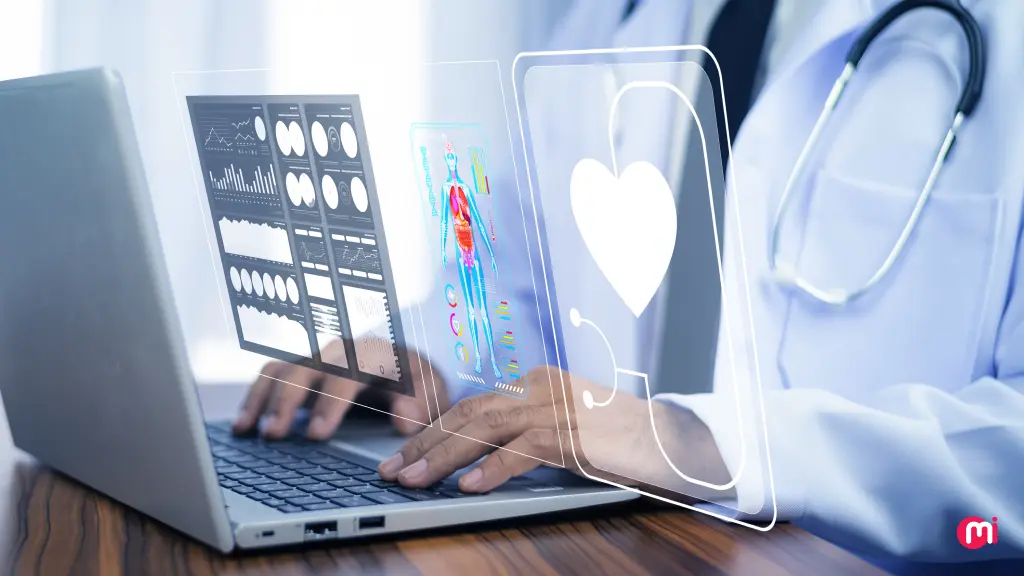
EMR/EHR Integration for Better Patient Care: Best Practices & Costs in 2026
Most hospitals struggle with fragmented data, such as lab results sitting in one system, medication history in another, and billing in a third. All this data is scattered across the…
AI Clinical Documentation: A Guide to Smarter Clinical Care
A physician finishes a full day of appointments, but the work is not over. Patient encounters are complete, yet clinical notes still need attention. Medication details must be verified, histories…
How to Implement Machine Learning Governance: Steps, Frameworks & Costs
Ask an ML team to pull up the exact model version that scored a customer six months ago, the data it was trained on, and the person who approved its…